Three huge Mumbai slum clusters picked for redevelopment
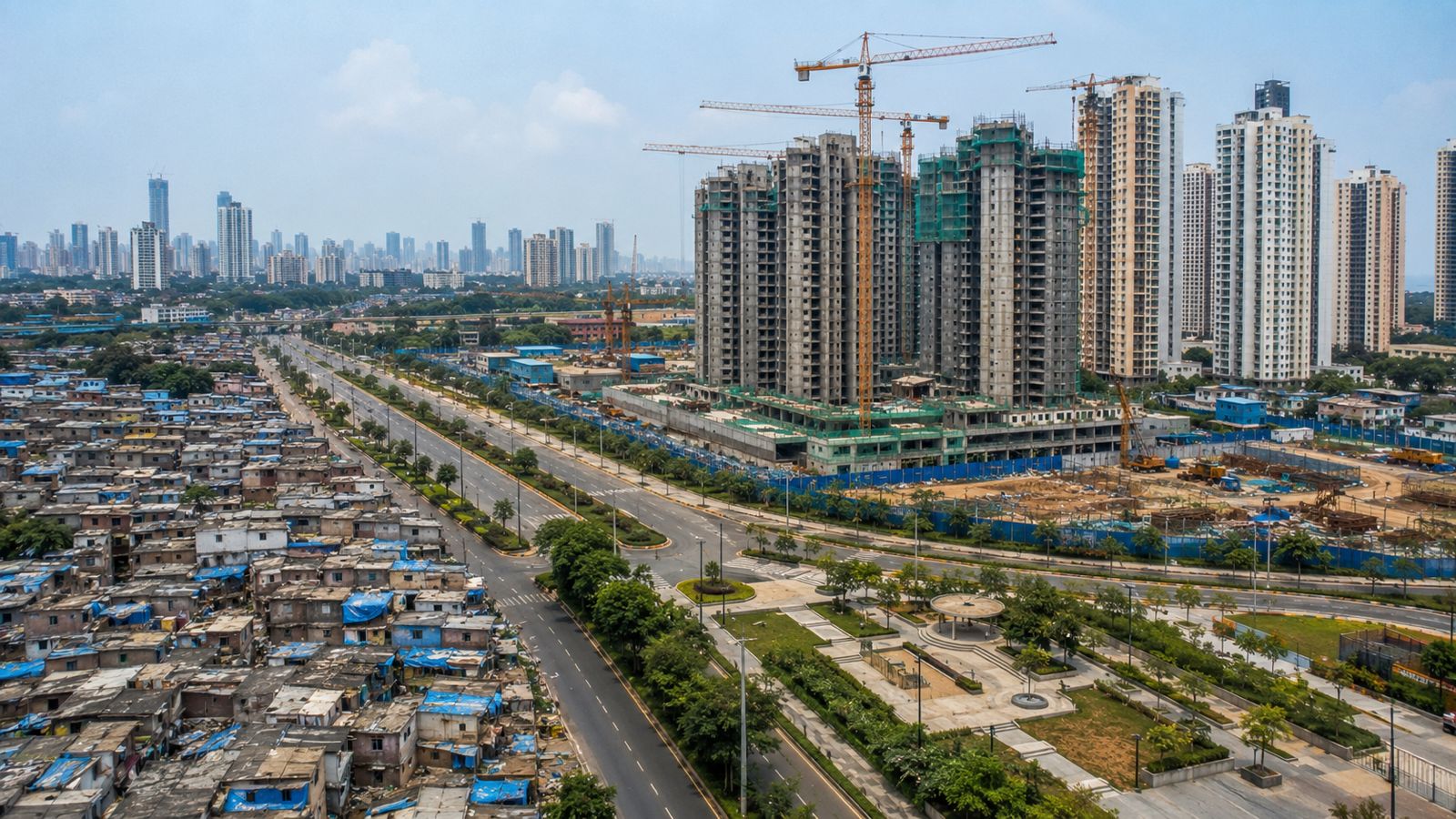
Mumbai has identified three of the city's largest slum clusters for large-scale redevelopment: Antop Hill in Wadala, Majaswadi in Jogeshwari East and Behrampada in Bandra East. The plan is another move by the city towards cluster-based urban renewal.
Together the three cover more than 850 acres. Some of Mumbai's most densely populated neighbourhoods could become planned residential communities with better infrastructure and public amenities. The plan also confirms redevelopment as a main source of growth for the city, where vacant land is scarce.
Where the three clusters sit
Each site holds an important position in the city. Wadala's Antop Hill has major infrastructure projects nearby, along with fast-growing residential corridors. Road links are a strength for Majaswadi in Jogeshwari East, which also lies near employment hubs across the western suburbs. Behrampada in Bandra East is near transport networks and one of Mumbai's most valuable commercial districts.
Central, eastern and western Mumbai could see a significantly better overall urban landscape if these big parcels of land are redeveloped.
Neighbourhoods likely to feel the effect
The areas expected to gain first are Wadala, Sion, Sewri, Matunga, Chembur, Jogeshwari East, Goregaon East, Andheri East, Bandra East and the Bandra-Kurla Complex (BKC).
The benefits of improved infrastructure and planned redevelopment frequently reach past the edges of the project itself. As nearby areas become more orderly and easier to reach, housing markets around them may see stronger buyer demand, more rental activity and better long-term capital appreciation.
More planned homes
With cluster redevelopment, authorities can redesign whole neighbourhoods, not just single plots. Modern residential buildings, open spaces, public amenities, better drainage and wider roads all become possible.
For homebuyers, over time there could be more planned housing in well-connected places where new supply has long been scarce. The model could also raise the quality of urban living and help meet Mumbai's growing housing demand.
Developers who may gain
Large cluster projects are drawing more interest from major real estate companies. Recent redevelopment projects drew strong interest, and more such openings may now follow across the city. Developers that could benefit include Reliance 4IR Realty, Adani Properties, Shapoorji Pallonji Real Estate, JSW Realty, Oberoi Realty, Lodha, K Raheja Corp and other established Mumbai developers. Bigger continuous plots also make cluster redevelopment more workable commercially than scattered, small projects.
Infrastructure will drive long-term growth
Redevelopment is no longer only about putting up new buildings. Roads, utilities, open spaces, schools, healthcare facilities and public transport all have to be tied in with the housing if a cluster project is to succeed.
The three clusters are expected to gain from ongoing metro expansion, road improvements and the existing railway network. That makes them attractive long-term investment destinations.
Hurdles that need careful planning
Projects of this size face real challenges. Rehabilitation of residents, checks on who is eligible, temporary housing, regulatory approvals and construction timelines will decide how well redevelopment goes. Keeping community networks intact while upgrading the neighbourhoods will matter just as much for long-term social and economic stability.
The wider picture
Instead of piecemeal projects, Mumbai is turning to integrated cluster redevelopment, and Antop Hill, Majaswadi and Behrampada illustrate that shift. Executed efficiently, the projects could unlock valuable land and lift housing quality. They could also strengthen civic infrastructure and open up new investment opportunities across multiple micro-markets. Redevelopment is fast becoming Mumbai's primary source of housing supply, which points to large cluster projects having a defining say in how the city grows next.
Sandeep Sadh's view
Sandeep Sadh said: "Cluster redevelopment represents the future of Mumbai's housing market. Transforming large land parcels allows planners to improve infrastructure, create better neighbourhoods and unlock long-term real estate value. The success of these projects could accelerate similar redevelopment across several other parts of Mumbai."
