Maharashtra CM Approves Dharavi Redevelopment Master Plan
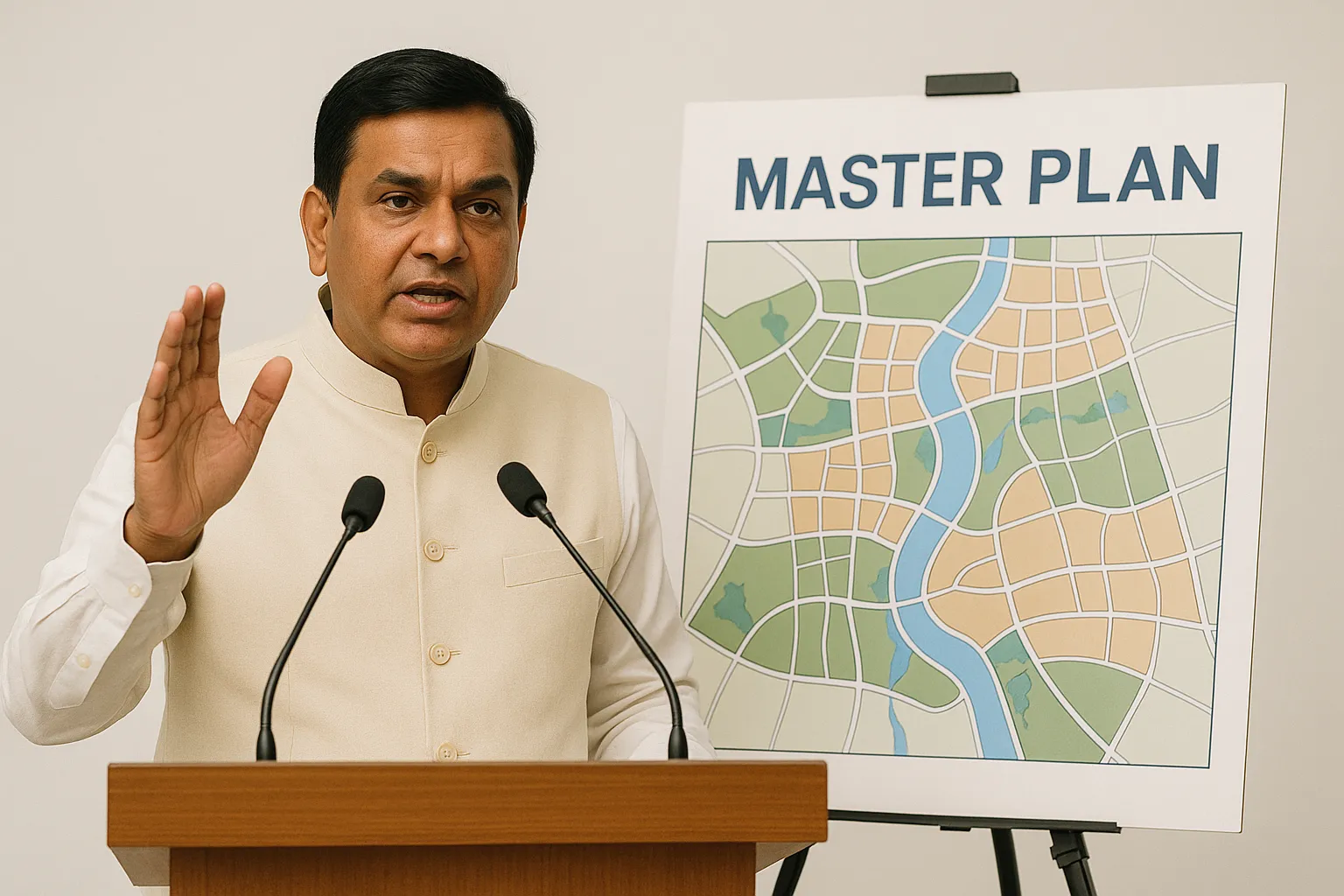
The Maharashtra government has taken a significant step towards the redevelopment of Dharavi, one of Asia's largest slums, by approving its master plan. This initiative aims to transform the area into a modern urban hub while preserving its commercial identity and ensuring the rehabilitation of its residents.
Key Features of the Redevelopment Plan
The approved master plan emphasizes an environmentally sustainable approach, integrating the commercial sector into the redevelopment process. A crucial aspect of the plan is the commitment to provide homes for all original residents, ensuring a fair and transparent housing allocation process. Specific criteria will be applied to different groups of residents to facilitate this.
First Phase of Development
As part of the initial phase, the government plans to construct slum rehabilitation buildings on a 28-acre land parcel. Each eligible household will be offered a 350 sq ft home that includes two toilets, addressing the pressing issue of inadequate sanitation facilities in Dharavi. This focus on improved living conditions is a vital component of the overall redevelopment strategy.
Incentives for Developers
To encourage participation from developers, the Maharashtra government has waived all premiums associated with the redevelopment projects. Additionally, there will be a reimbursement of the state’s share of GST for five years. These incentives are designed to attract investment and expedite the redevelopment process, which is crucial for the success of the project.
Impact of Dharavi Transfer Development Rights (TDR)
The government has mandated the use of Dharavi Transfer Development Rights (TDR) for all redevelopment projects in the city. This policy could have significant implications for property prices across Mumbai, as it allows developers to transfer development rights from one property to another, potentially increasing the supply of housing and commercial spaces in the city.
Controversies and Concerns
Despite the positive aspects of the redevelopment plan, it has not been without controversy. Critics have raised concerns regarding the completion of the resident survey, the lack of public scrutiny, and the potential displacement of current residents. There are apprehensions that the plan is being advanced without sufficient consultation and a finalized survey, which raises questions about the legitimacy of the process.
Conclusion
The approval of the Dharavi redevelopment master plan represents a pivotal moment in the effort to revitalize the area and improve living conditions for its residents. While the plan holds promise for transforming Dharavi into a more sustainable and commercially viable space, it is essential for the government to address the concerns raised by critics to ensure a fair and inclusive redevelopment process.